
Self Publishing a Coffee Table Book
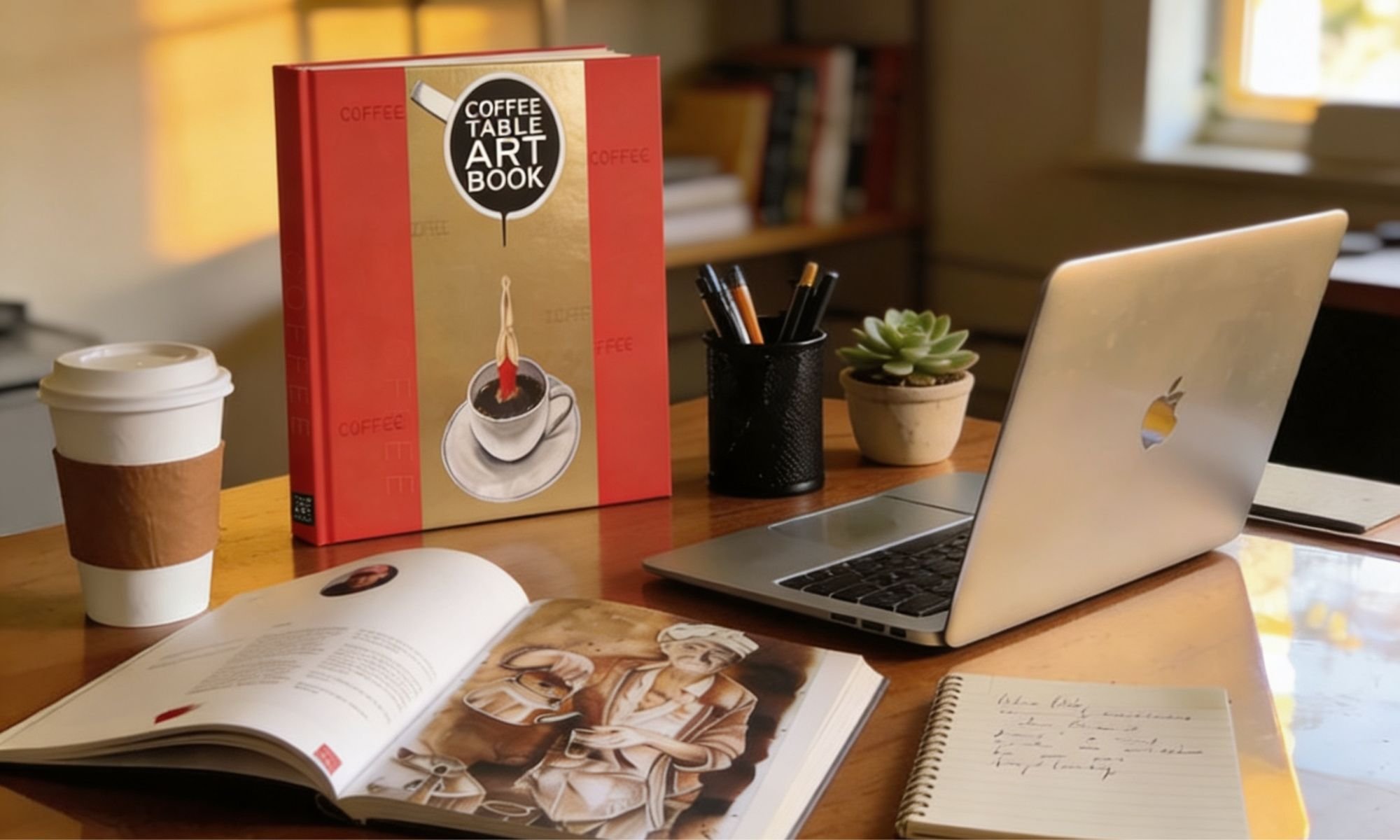
Coffee Table Art Book
One thing I didn’t expect after publishing Coffee Table Art Book was how many people would reach out asking about the process behind it.
Not just the creative side, but everything else:
printing, fulfillment, shipping, marketing, Kickstarter, timelines, costs, mistakes, and all the decisions in between.
I think a lot of people see a finished coffee table book and imagine the process mostly revolves around creating the content. In reality, the creative part is only one piece of a much larger puzzle. Coffee table books often feel effortless when you see them beautifully displayed in homes, hotels, or from publishers like Assouline. What most people don’t see is how much production, logistics, planning, and marketing goes into creating a physical book with that kind of presence.
Creating a coffee table book turned out to be far more layered and complicated than I ever imagined.
Some parts were incredibly rewarding. Seeing the final printed book for the first time after years of work was surreal. Holding something physical that brought together 65 artists from around the world felt deeply meaningful.
Other parts were honestly overwhelming.
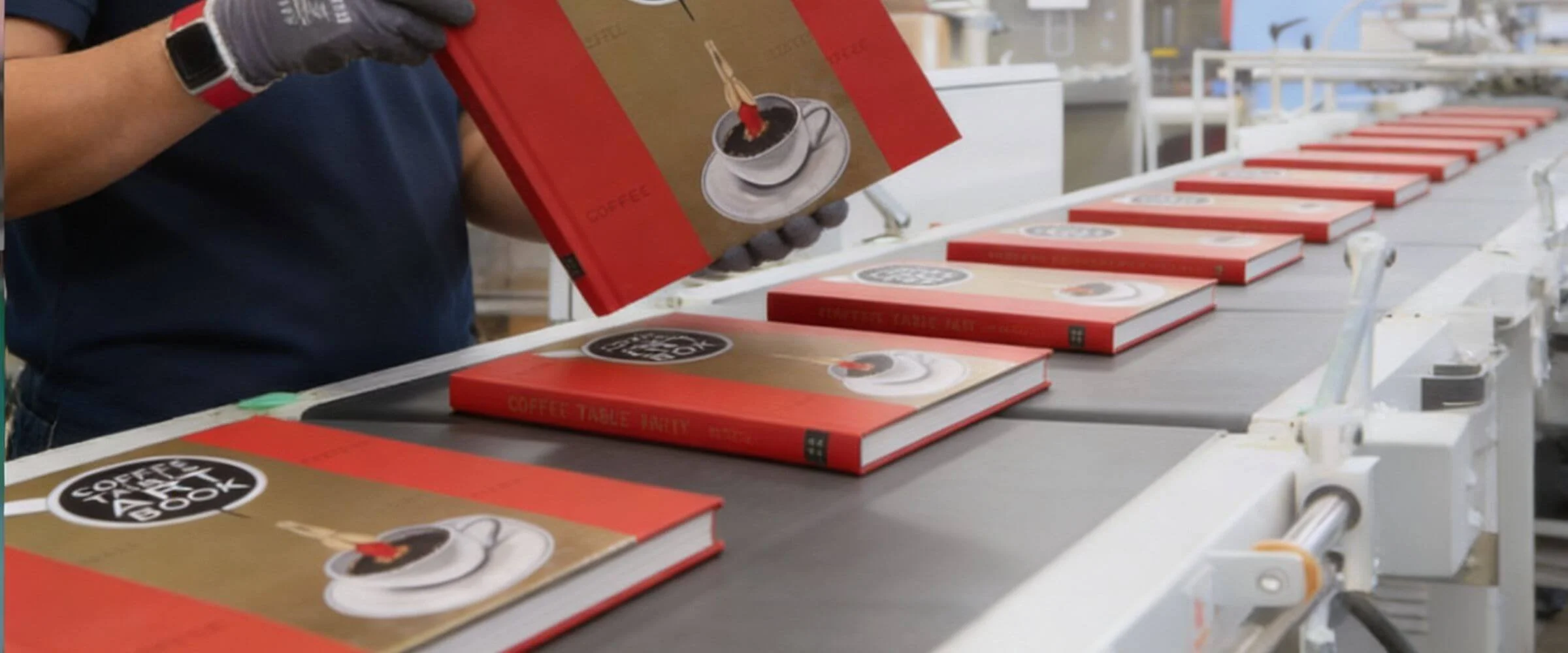
Coffee Table Art Book Hot off the press in Canada
There are so many decisions that happen long before the book is ever printed:
paper, binding, print runs, shipping logistics, storage, fulfillment, packaging, pricing, marketing, pre launch strategy, audience building, and figuring out how the book will actually reach people once it exists.
One of the biggest things I learned is that you cannot wait until the book is finished to think about marketing.
By then, you’re already behind.
That was probably the biggest shift in mindset for me. I started out focused almost entirely on creating the book itself. Over time, I realized publishing also means building awareness, community, visibility, and momentum around the project long before launch day.
I also learned that not every marketing strategy translates the same way for every type of product. Some approaches that work well in other industries or categories did not necessarily align with a coffee table art book.
There’s also the emotional side no one really talks about.
When you independently publish something, every decision feels personal because it is personal. The wins feel incredibly rewarding, but the mistakes also land directly on you. There’s no large publishing house absorbing the uncertainty or handling the logistics behind the scenes.
At the same time, self publishing gave me something I deeply value:
creative control.

Founder, Regan Caton checking proofs with Greg Shuey, book designer
I was able to shape the book exactly the way I envisioned it. The artists, the pacing, the materials, the tone, the design, the overall experience of it. That part mattered to me.
I’m still learning as I go, but it’s been really interesting realizing how many artists, photographers, designers, and creative people have a book idea tucked away somewhere.
And honestly, I understand why.
There’s still something special about creating a physical object people can live with, return to, and leave out on a table to be discovered slowly over time.
If you’ve ever thought about publishing one yourself, you’re definitely not alone.
